Victim Wound Report
Thank you for taking up the case.
Read below for the victim’s wound report with detailed information on how Planet A was harmed.
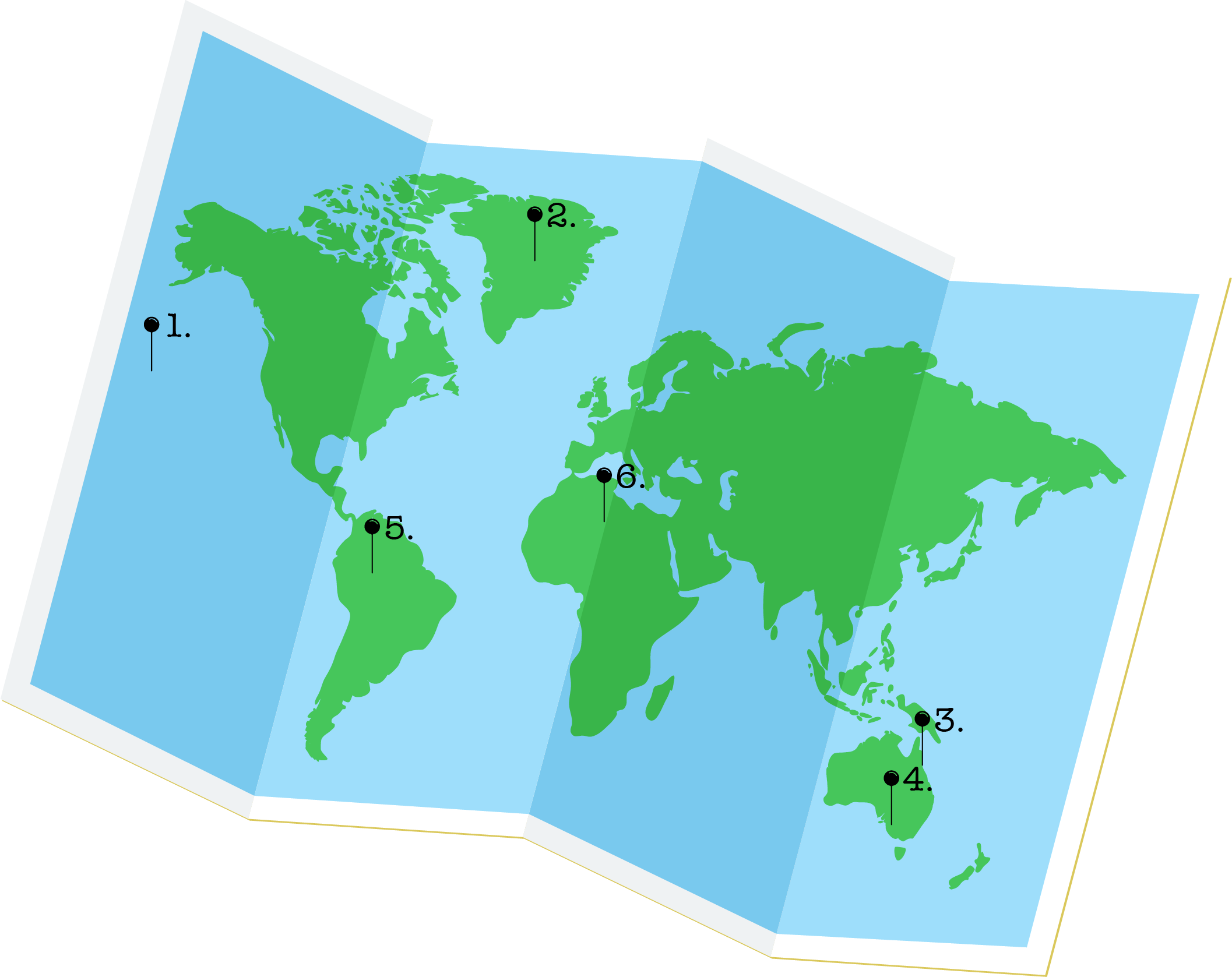
1.Great Pacific Garbage Patch
Ocean plastic accumulates in five garbage patches, with the largest being the Great Pacific Garbage Patch. Over 8 million tonnes of plastic waste enter the ocean each year. Much of it is less dense than the water, allowing it to travel long distances via ocean currents and accumulate in the patch. Located between Hawaii and California, the Great Pacific Garbage Patch spans 1.6 million square kilometers, which is six times the size of New Zealand. The plastic breaks down into microplastics over time, which are difficult to remove and often mistaken for food by marine life. The Great Pacific Garbage Patch impacts ecosystems, food webs, health, and economies.
2.Greenland Ice Melt
Greenland is warming faster than the rest of the Earth, with its temperature rising about 1.5°C over the past century, compared to the global average of around 1.1°C. This rapid warming is accelerating the melting of its ice sheet, which covers about 80% of the land. Greenland is losing 234 billion tons of ice per year, seven times faster than in the 1990s. This melting contributes to rising sea levels and disrupts global weather patterns, with serious global consequences.
3.Great Barrier Reef Bleaching
The Great Barrier Reef is the biggest living structure on the planet, known for its vibrant colours and diverse marine life. However, as greenhouse gases are emitted heat is trapped, causing the ocean to become warmer. The vibrant colours of corals come from algae that live inside their tissues and give the corals energy. When water temperatures are too hot for too long, corals expel the algae (zooxanthellae) which causes them to turn white. If bleached corals are exposed to warmer water for eight weeks or more, they become vulnerable to diseases and begin to die, causing the loss of ecosystems.
4.Australian Bushfires
The burning of fossil fuels is increasing global temperatures, causing hotter and drier conditions in Australia. Since the mid-1990s, southeast Australia has seen significant declines in rainfall, contributing to intense droughts and lower soil moisture, which increase fire risk. The country is experiencing longer bushfire seasons, with more extreme fire danger days. Climate change worsens these conditions, making fires more frequent and intense. The 2019–2020 bushfires, fueled by record heat and drought, destroyed habitats and affected over 300 threatened species. Additionally, these fires have emitted massive amounts of carbon dioxide, worsening climate change and creating a dangerous feedback loop.
5.Amazon Deforestation
The Amazon Rainforest, which is home to unparalleled biodiversity and stores more than 150 billion metric tons of carbon, plays a crucial role in cooling the planet and regulating carbon dioxide levels. However,deforestation for agriculture, mining, and illegal logging has already stripped 20% of the forest since 1970, with another 6% highly degraded. As trees are cut down and burned, they release carbon, and parts of the Amazon now emit more CO2 than they absorb. Scientists warn that if deforestation continues, the Amazon could turn into a much drier ecosystem with severe consequences for global climate and biodiversity.
6.Sahara Desert Expansion
The Sahara Desert has expanded by 10% over the past century, driven by both natural climate cycles and human-induced climate change. Global warming is intensifying the Hadley cell, which is a circulation of warm air from the equator to the subtropics. This leads to drier conditions, reduced rainfall and worsening droughts, increasing the rate of desertification in the Sahara and other areas. The expansion of the Sahara is driving food insecurity and conflict in the surrounding regions, and as climate change and the Sahara’s expansion worsen, so do the consequences for ecosystems, economies and communities.